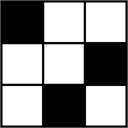
This section shows how the 3×3 image analysis framework can separate mechanism-only scenes (terrain, light, texture) from contextual cues (atmosphere, biology, human artifacts) to decide whether a photo is more likely Earth or Mars.
How the 3×3 model helps
We structure the evidence into three layers:
- Entities (O): observable objects and surfaces (regolith, rocks, tracks, shadows)
- Behaviors (B): physical processes shaping them (erosion, sediment flow, compaction, illumination)
- Emergents (e): higher-level cues that appear from interactions (patterning, depth, directionality)
When an image is dominated by mechanism-only evidence and lacks biological or human traces, the model shifts toward a Mars classification. When we see water-weathered surfaces, vegetation patterns, or human scale/context, it shifts toward Earth.
Decision cues used in practice
Typical signals that push the classification toward Mars:
- Dry, fine-grained regolith with uniform dust tones
- Sparse, angular rocks without water-weathering
- Strong, sharp shadows in a thin atmosphere
- Rover-like tracks or hardware shadows without surrounding context
Typical signals that push toward Earth:
- Vegetation or biological texture
- Mixed mineral colors with moisture cues
- Weathering from water or wind (rounded stones, sediment layers)
- Human artifacts or scale references (roads, fences, footprints)
Image set
Summary (all correctly identified):
| Image | Verdict | Primary cue | Link | 3x3 | ChatGPT 5.2 | Claude Sonnet 4.5 |
|---|---|---|---|---|---|---|
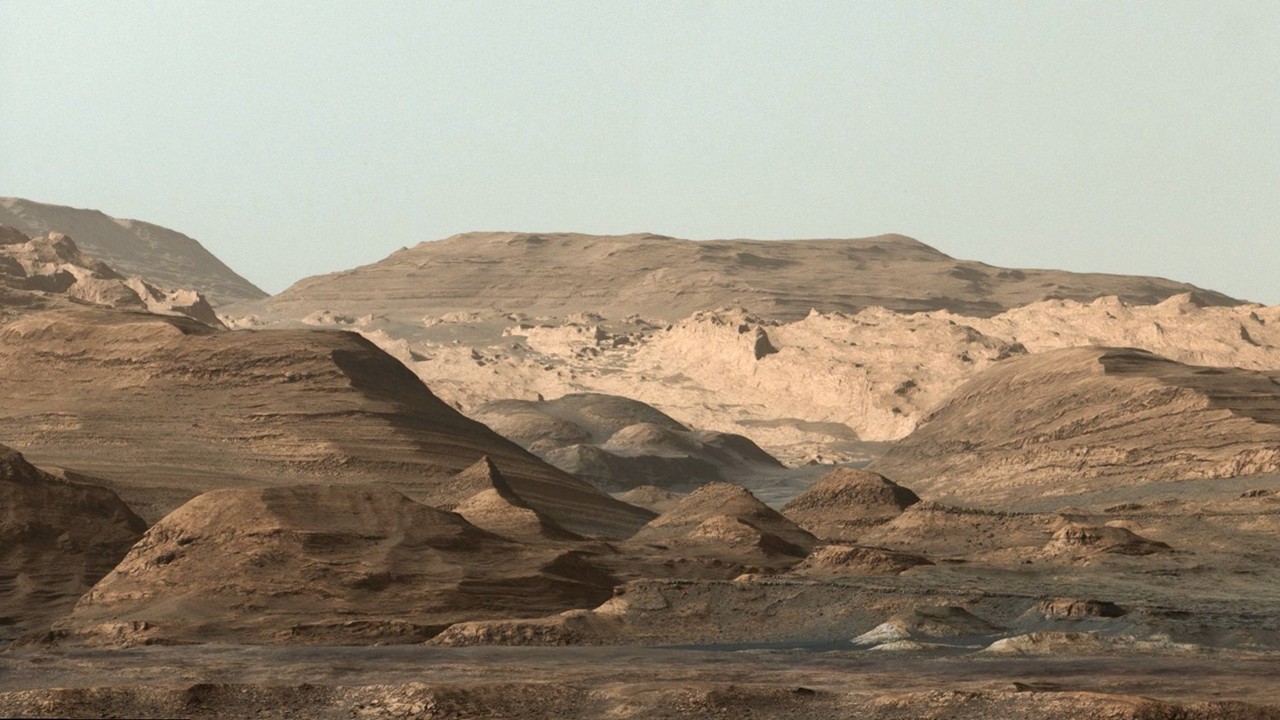 |
Mars | Regolith + rover-like tracks/shadow | View analysis | ✓ | ✓ | ✗ |
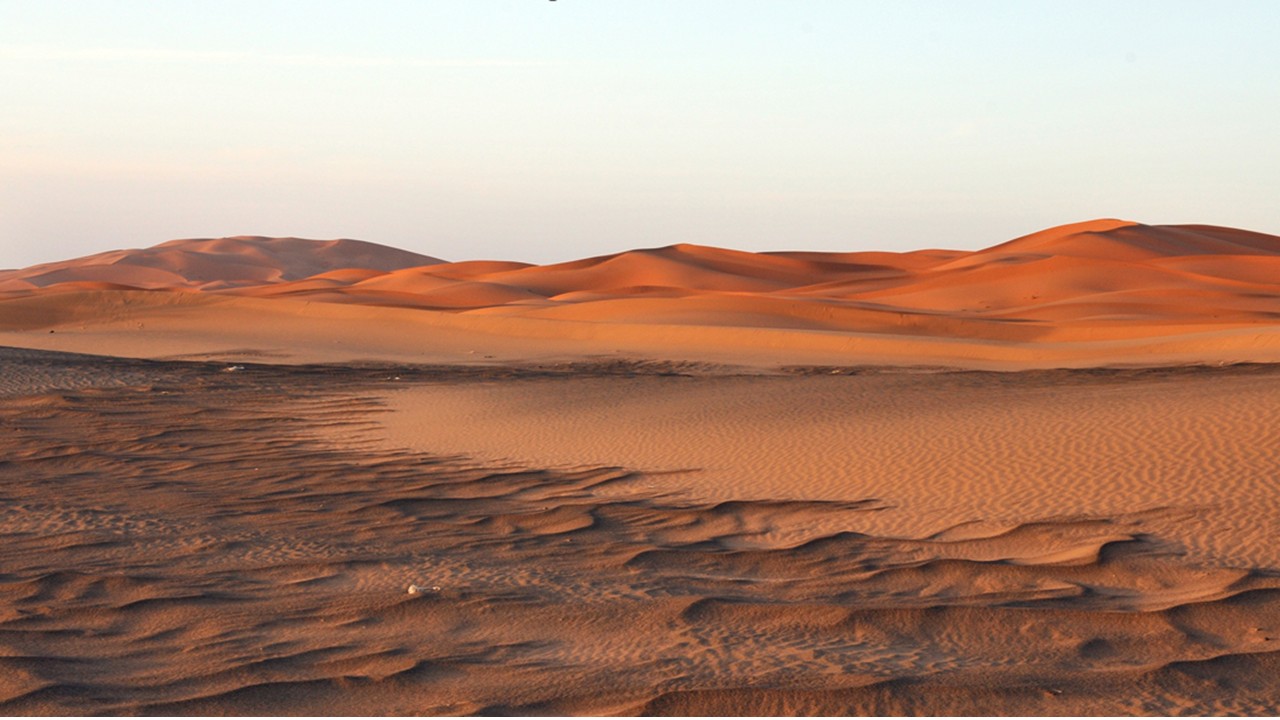 |
Earth | Blue sky + terrestrial dune texture | View analysis | ✓ | ✗ | ✓ |
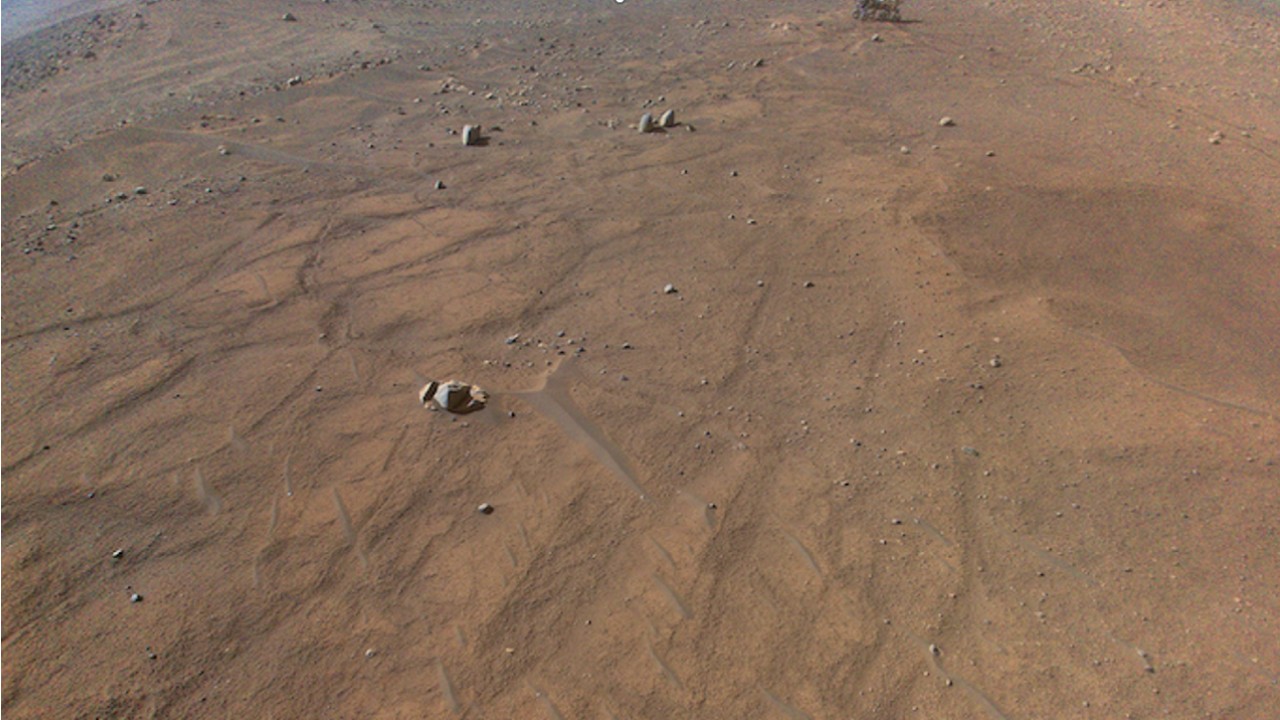 |
Mars | Rover-like shadow + dry regolith | View analysis | ✓ | ✓ | ✓ |
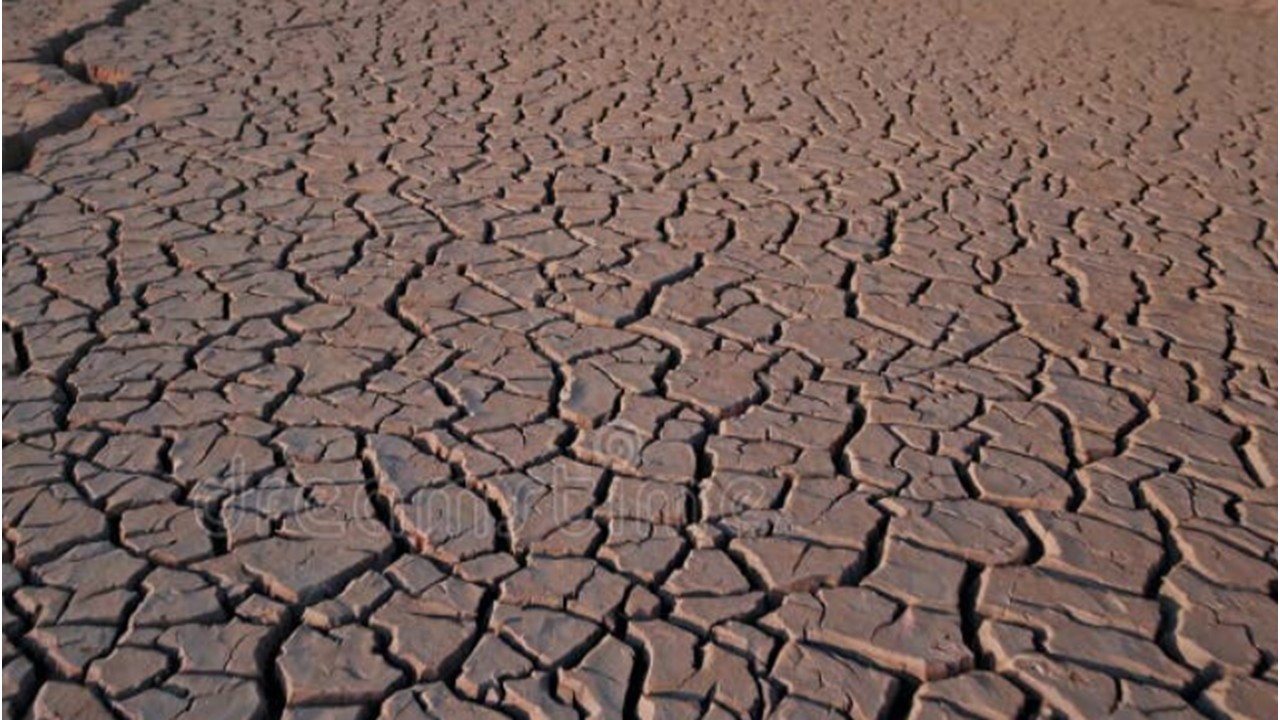 |
Earth | Mudflat desiccation polygons | View analysis | ✓ | ✓ | ✗ |
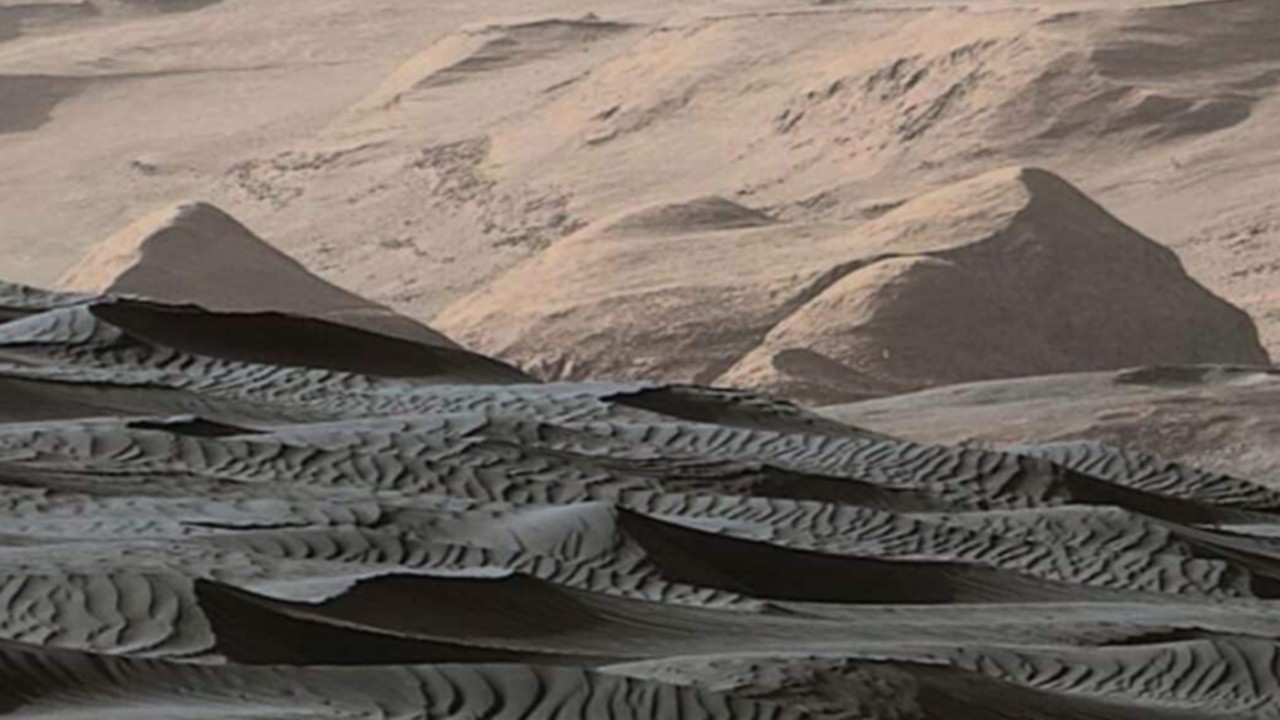 |
Mars | Large dune scale + dry aeolian signature | View analysis | ✓ | ✓ | ✓ |